Ironman Wales: When the Data Raises More Questions Than Answers
Ironman Wales became my second DNF, but perhaps the most interesting race I’ve analysed afterwards.
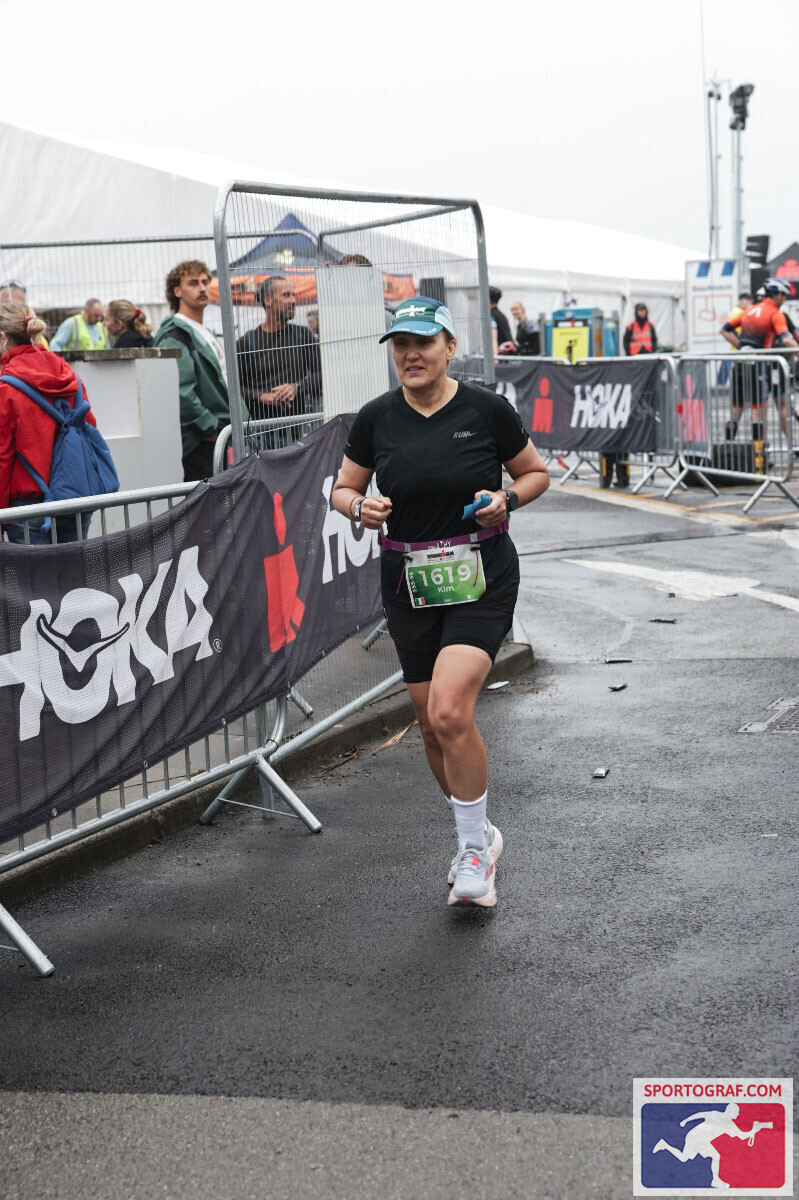
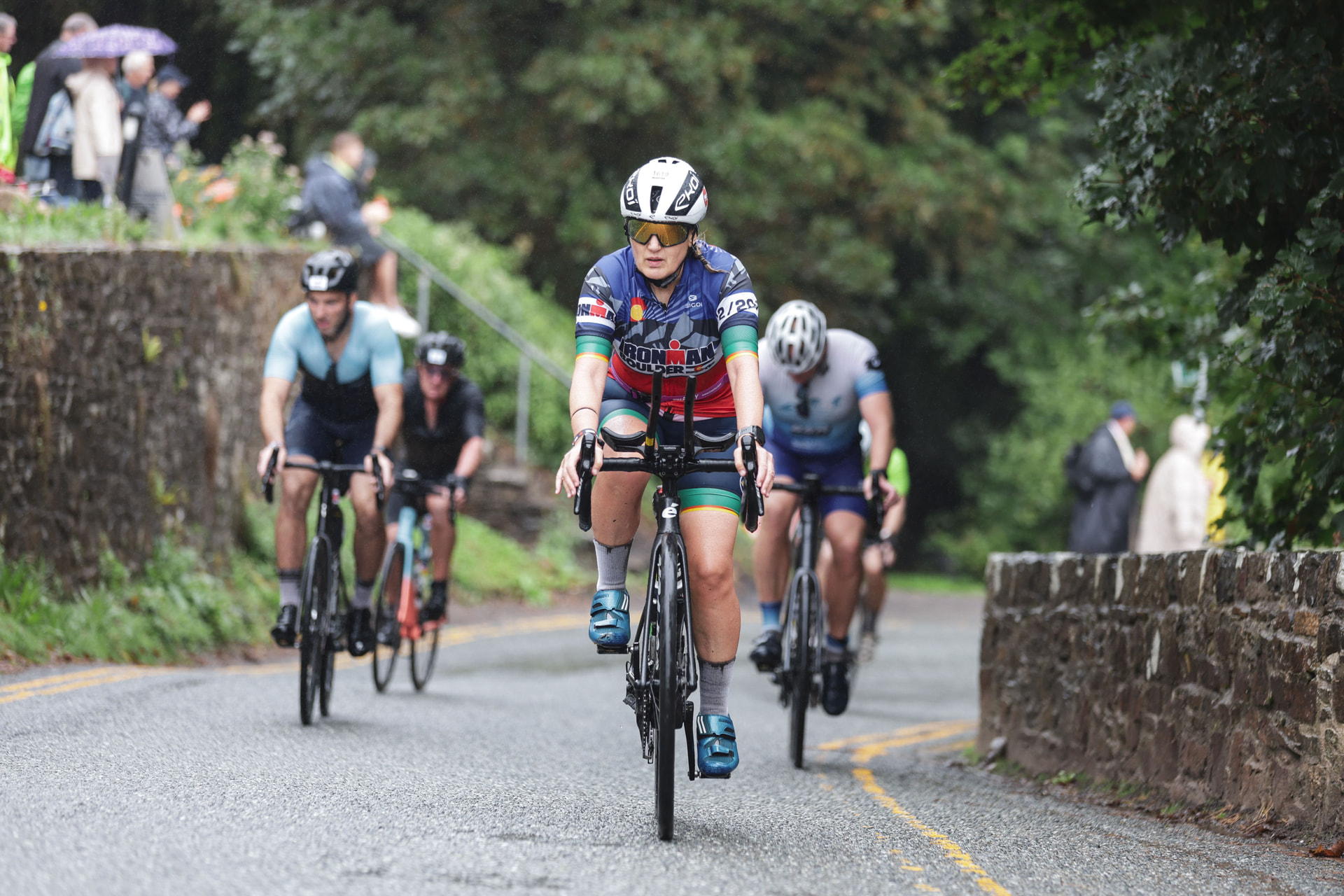
The swim and bike went largely to plan. I started the marathon conservatively and felt in control.
Around 16 km into the run, things changed. I stopped to use the bathroom. Then someone cut off my energy supply!
What makes this interesting is that the usual explanations don’t fit particularly well. Looking back at the data, I don’t see a classic picture of over-pacing or cardiovascular drift.
Instead, as performance deteriorated:
- pace slowed,
- cadence dropped,
- heart rate also dropped.
That was unexpected.
Looking back before race day
The more interesting story may be in the weeks leading into the event.
My HRV took a significant hit in late August before recovering into race week.
By itself, I wouldn’t consider that unusual.
What caught my attention afterwards was my resting heart rate.
For most of the build it sat very consistently around baseline. Then, 1-2 days before the race, it jumped significantly above normal.
At the time I noted it but didn’t think much of it.
In hindsight, perhaps I should have paid more attention.
What happened next?
I’m still investigating that.
I’ve already started discussions with a sports cardiology clinic and plan to undergo further testing, including an exercise stress test.
At this stage I’m not interested in forcing the data to fit a particular explanation.
What I am interested in is understanding why:
- pre-race metrics suggested some physiological stress,
- race-day performance collapsed suddenly rather than progressively,
- and recovery afterwards was surprisingly quick.
Five days later I completed a 165 km Gran Fondo and the following day hiked a mountain.
So whatever happened in Wales appears to have been transient rather than something causing prolonged impairment.
The Athletica takeaway
For me, the biggest lesson is that readiness metrics are not just about predicting peak performance.
Sometimes they help identify when something isn’t quite right.
The data didn’t prevent the DNF.
The data didn’t explain the DNF.
But the data has helped me ask much better questions afterwards.
And sometimes that’s just as valuable.